
ARTICLES
Push push push! (In pdf)
'Push! Push!', 'Upcoming weekend I'm going to push', 'Push for the win.', 'I had a bad FP1 and FP2, so in Qualifying I have to push!’.
These quotes are becoming more and more frequent. Not just on social media, but also during official media interviews. Drivers feel that they should have to push for next race or in qualifying. The race weekend didn't go to plan, so we have to push harder next time.
But is that really what you want to be doing? Shouldn’t you be at your best level of performance anyway? In F1 there are a few examples where racing drivers are being pushed or told to push by their engineer and they responded by saying: I'm pushing, I’m pushing. Or: ‘Don’t tell me that, I’m already pushing! They are already giving it their max with all the conditions considered (tyre wear, pace, fuel usage, track position etc). You actually often see that a radio communication has an adverse effect. Drivers become frustrated and start making mistakes or even crash the car.
Whoever is sending radio messages to a driver needs to have thorough understanding about the way the brain works, message perception, driver profile, and most of all: high awareness of what it takes to get the maximum performance out if an athlete (because that is what good drivers are and should be!). Still I find it remarkable that in this day and age that basic principle of what is listed above is being ignored. Even the highest levels of motorsport.
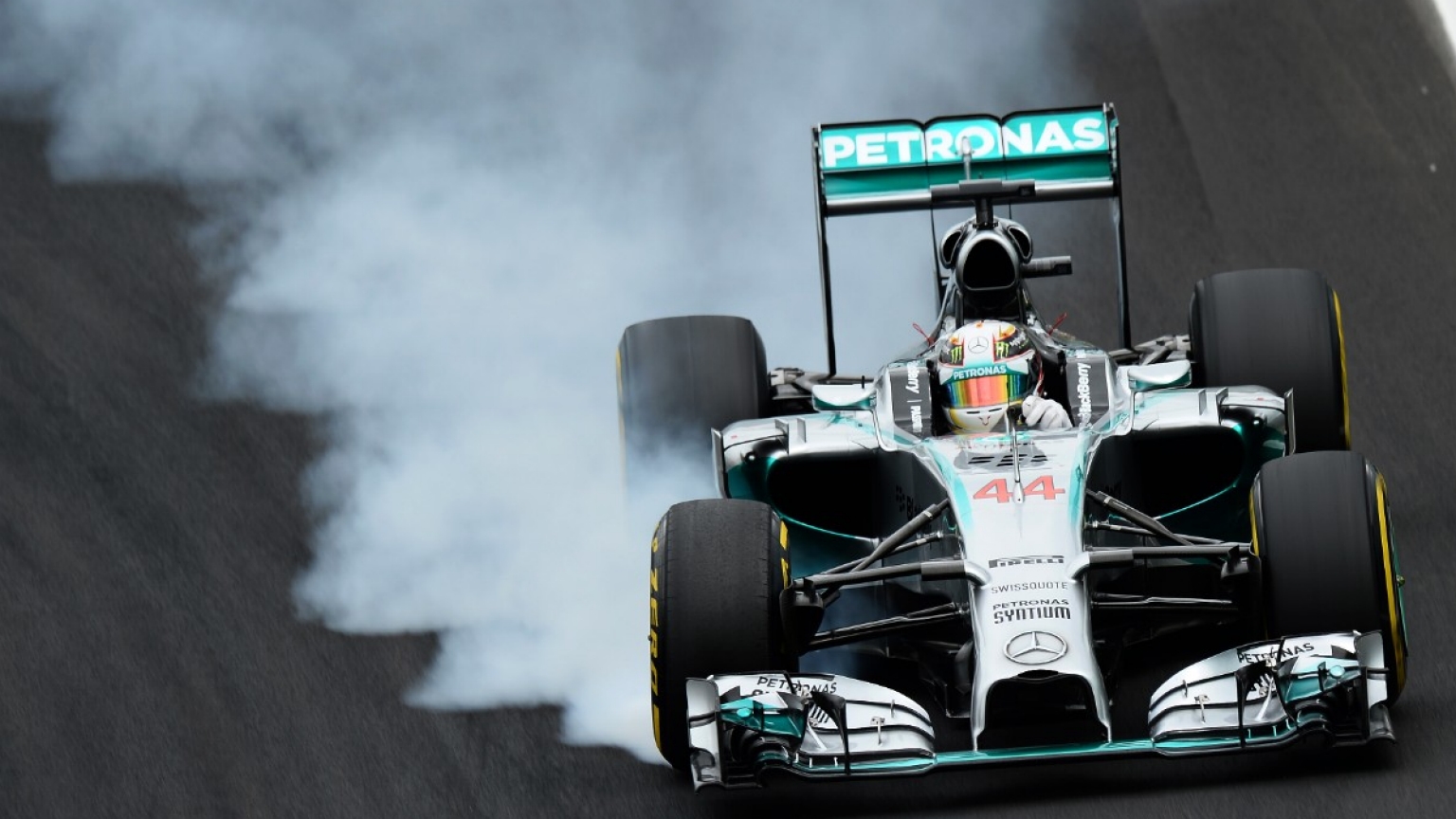
Back to 'pushing'. What is the reason to push if you already going as quickly as possible?
What does the word push actually mean? What does it tell you to do? What is the definition of ‘push’? What would be the end goal of push? Going a bit quicker? But how are you going to do that? Braking a bit later? But if you are already braking as late as you think you can, how are you going to brake any later? Pushing or whatever it might mean in a particular situation doesn't give you extra race craft or extra skill to control the car. In fact, usually it gets even worse. By 'trying' we start making to make errors and start making mistakes. Therefore 'push' is a very vague term and allows people to create their own definition allowing for a very open interpretation which could have an undesired effect.
With ‘trying’, one would have to surpass current skill level and need to be better than you currently have done to reach expectations (from yourself, from the team, from sponsors, from parents) that have probably have been set too high to begin with, which would lead to a self-fulfilling prophecy by not reaching those expectations which will lead you to trying even more!
When you push you literally push performance away. As a driver you need to step out of your comfort zone to push and need to make calculations in your brain that the brain can't handle at that point in time. And that is not just you: everyone needs to build their skill and set appropriate goals and expectations in order to grow as a driver and develop.
Pushing could also makes you feel rushed and tense and being less smooth precise and accurate. Additionally, it gives you a sense that you are being judged if the results aren't coming if you do push; That you are judged by your team, parents friends and are not driving quick enough. And THAT whilst you are trying to drive a racing car at the highest level. Seems challenging to do that all at once! It will only make you slower.
From my point of view in order to het performance you need to be focussed and very precise and give your brain enough time to handle the challenging calculations that are required in the fast-moving environment of a racing car. You need to allow the computer in the brain to run at maximum capacity without undesired programmes running in the background that is slowing the processor down.
There are various ways to be more precise and more focussed. If you start training and practising the right techniques, you will enhance performance by truly acquiring a skill. And not just random practise in random areas, but accurate training enhancing the right areas of (racing) performance. So not just practise; GOOD practise. Purposeful practise.
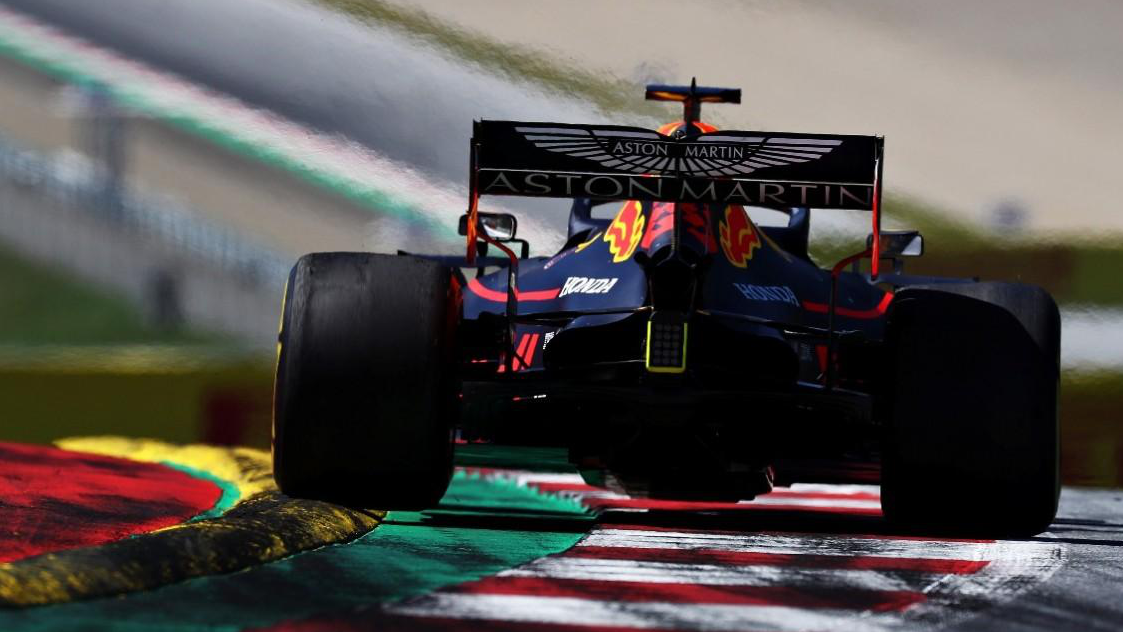
Interestingly though, there could be moments in certain races or events where there is a need to push or be pushed. For example, that the right energy level is not the athlete although the skills are there. Or you are one lap away from a pitstop, going for an undercut and the best lap possible needs to be performed, you need to be switched ‘on’. But using the word ‘push’ in that case would be with clear conditions attached to them. This is when there is a clear agreement between the people who use the term and have a clear definition of the word ‘push’. Make agreements with the engineer about what ‘push’ means to the both of you and come up with one single definition. Perhaps during a race where a good consistent lap time is required you could agree that that would be for example at 95% performance (depending on what your scale is). Then you are able to be precise and get quick lap times, lap after lap with some room for some ultimate laps. During a race or practise session where that ultimate time is required, you can agree on pushing to, for example 99% or 99, 9% to get to that quicker lap time but in a controlled and quick fashion.
You will be surprised what a difference a set value or number has on focus, concentration and precision and ultimately: lap time!
So be incredibly careful as a driver when using the word 'push' and more importantly if you are a race engineer. It can have effects that you are desperately trying to avoid. Although other drivers and race engineers use the word ‘push’ or like to ‘push’ to get more performance, it doesn't mean it is the right or the best thing to do!